Making potions is a great way for children to make scientific discoveries as they learn how different things interact when they are mixed in a super exciting way!
What you will need:
Household materials that children can mix to make potions
Test Tubes
Stir Sticks
Apron
Gloves
Glasses
*Safety Tip: Ensure that all materials that you use are safe. Read the labels!*
Children will make potions in test tubes and name them. Encourage children to write down the ingredients that they used so they can share their potion and make it again if they want. Allow the children to share their potions with their friends. Ask them to think about what their potion will do.
Children could also take pictures of their potions and record the reactions in order to create a book,
Here are some of the potions that we created:
Sunrise: Ingredients:
Baking Soda
Food coloring
White Vinegar
Baby Oil
Anti-Acid
Mellow Yellow: Ingredients:
Baby Oil
Food Coloring
Shaving Cream
Sea World
Ingredients:
Daily Fiber
White Vinegar
Ice Cream Salt
Denture Cleaner
Mr. B
Ingredients:
White Vinegar
Baking Soda
Salt
Ice Cream Salt
Denture Cleaner
We discovered that baking soda and vinegar made a chemical reaction, so we added baking soda and vinegar to all of our potions at the end.
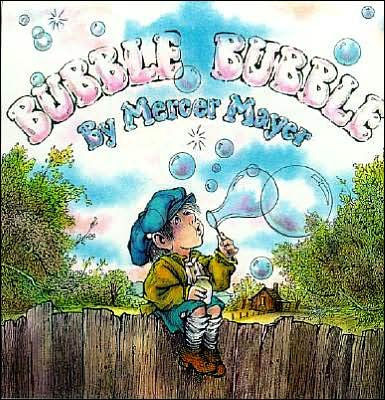
You might think of bubbles as something simple that will keep children occupied for a few minutes. However, just like with anything else, children will quickly become very curious about bubbles, which can lead to great scientific discoveries.
When children come up with questions about bubbles, it is important that you support their inquiries and help them discover the answers.
How do you make the most bubbles?
How do you make the biggest bubbles?
Are bubbles always round?
There are so many amazing things that you can do with bubbles!
This is my photo of the month-The snow was almost covering my car! It was a lot of work to dig it out.
Children can keep their February photo with their January photo and eventually use them to make a monthly photo book. (Explained in the January blog)
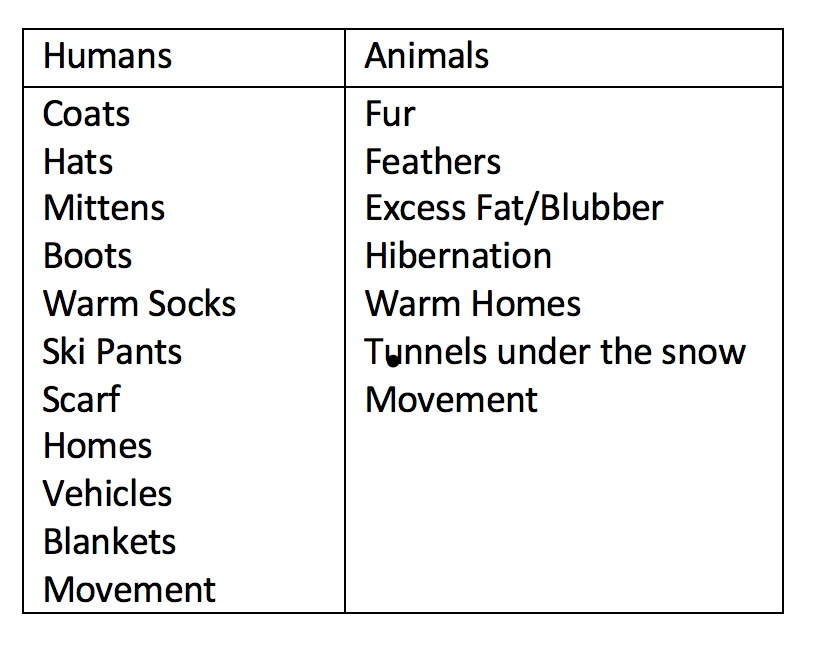
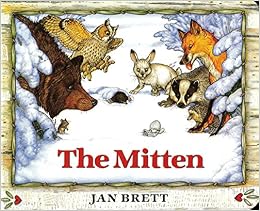
Activity: How do animals stay warm in the winter:
First you can ask children to brainstorm how humans stay warm in the winter and how animals stay warm in the winter. Write down the list.
Here is my list:
You can then do various lessons representing how animals stay warm.
The blubber experiment (Explained in the Blue Whale Blog) is on example
Another example uses a glove to represent hair and plastic wrap under the glove to represent excess fat.
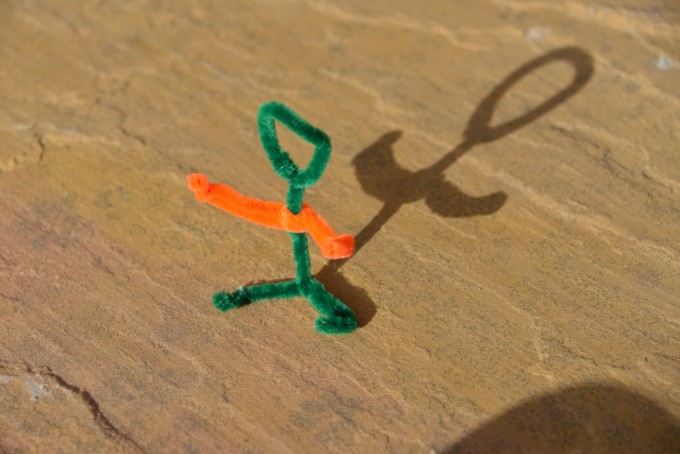
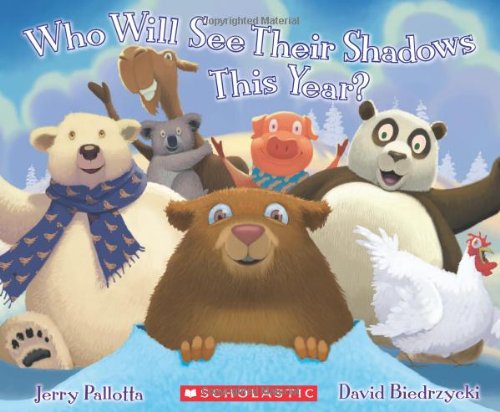
Activity: Shadows
Children will love looking at shadows during this time of year.
One activity that they would have a lot of fun with is creating a shadow with different materials. For examples if you made different shapes with cardboard boxes, it would create a very interesting shadow. They could take a picture of their shadow or make a video of themselves and their shadow. They could also use an app like My Story to create a story about their shadow.
Children can research a gross bodily function and share the information that they learn with the class. The children can present what they learned with a PPT, a video blog, a book, a poster, or any other way that they can think of.
Children will see some insects and small animals every time they go outside. They will ask a lot of questions about them and it is very important to help them find the answers.
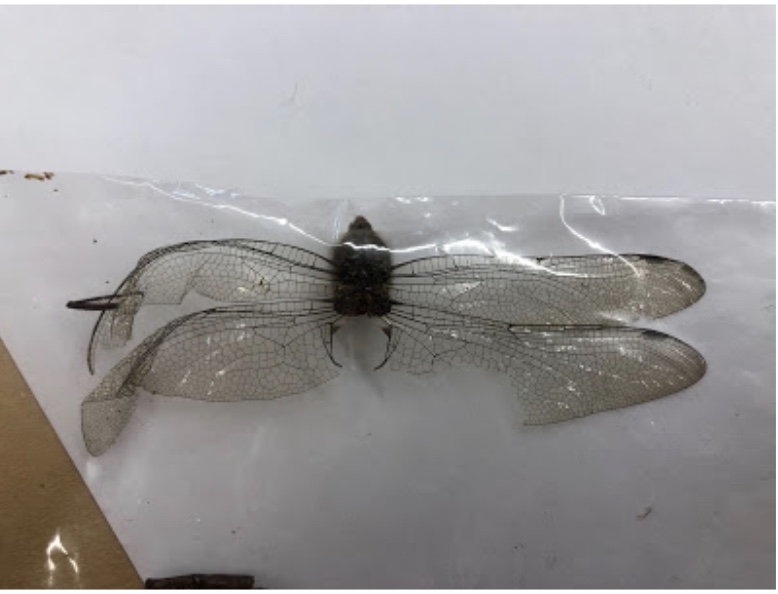
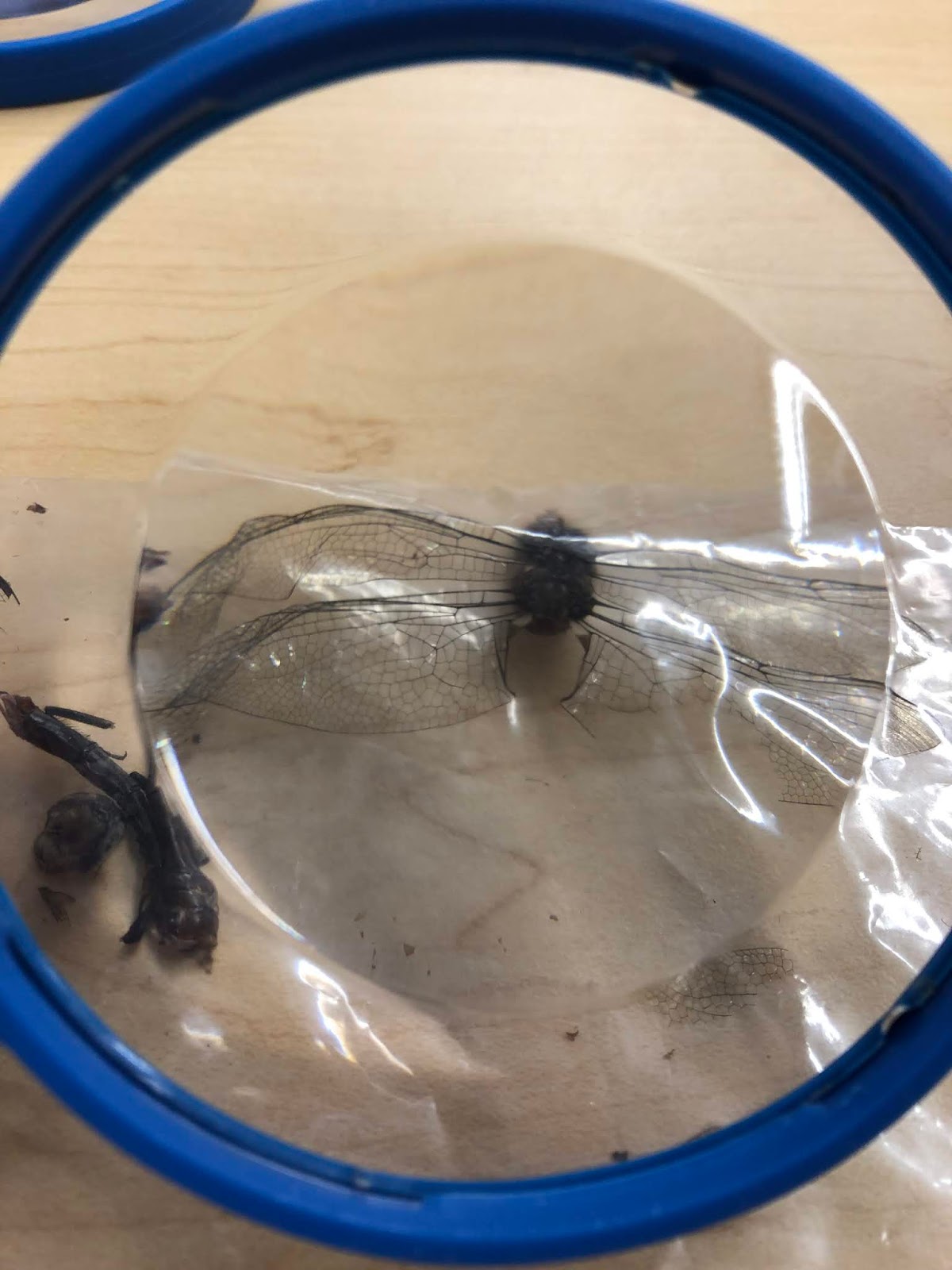
Activity: Bring in dead insects and let children explore them with magnifying glasses. Give them time to draw and write about their finding and the opportunity to share their findings.
There are some insects and small animals that are less common for us to see while we are outside, but children will still want to know about them.
Activity: Using stamps children can make insects
*Children will discover what each insect is which may require a bit of research*
Activity: Bring in parts of animals that were found in the woods and ask the children questions about them. For example, you could start with "What animal do you think this came from?" Allow them to observe the animal parts and think about how that animal lives.
Activity: Bring out small animal figures and ask children about these animals. Help the children research the animals if they have never seen them before. You could have them build a habitat for the animals and talk about what each of the animals might need to survive.








:max_bytes(150000):strip_icc()/GettyImages-161313694-59f2590022fa3a001155c62f.jpg)