All About Me

All About Me

Friday, February 15, 2019

Insects and Small Animals


Learning About Insects and Small Animals:

Image result for insects
Children will see some insects and small animals every time they go outside. They will ask a lot of questions about them and it is very important to help them find the answers. 

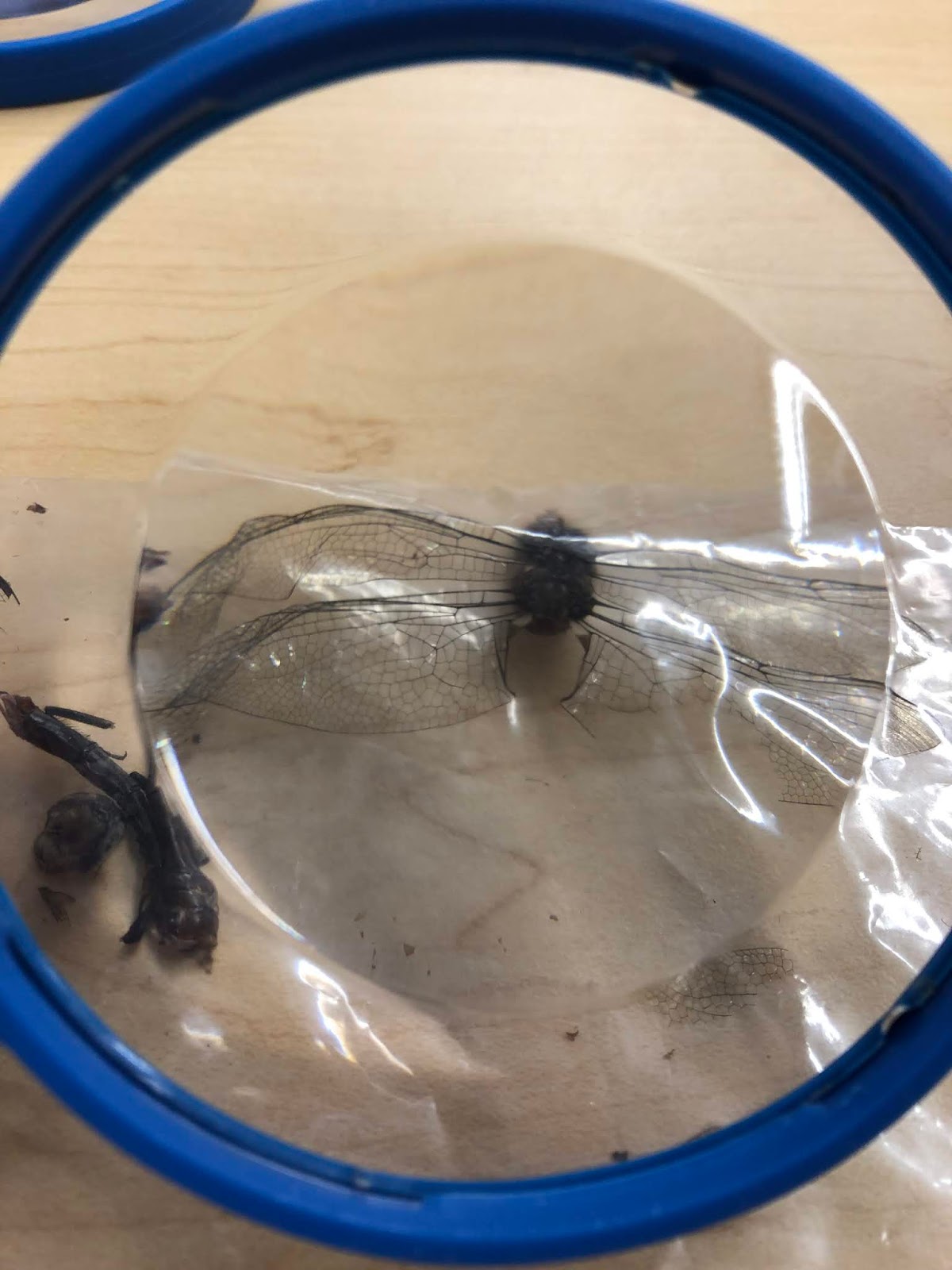
Activity: Bring in dead insects and let children explore them with magnifying glasses. Give them time to draw and write about their finding and the opportunity to share their findings.


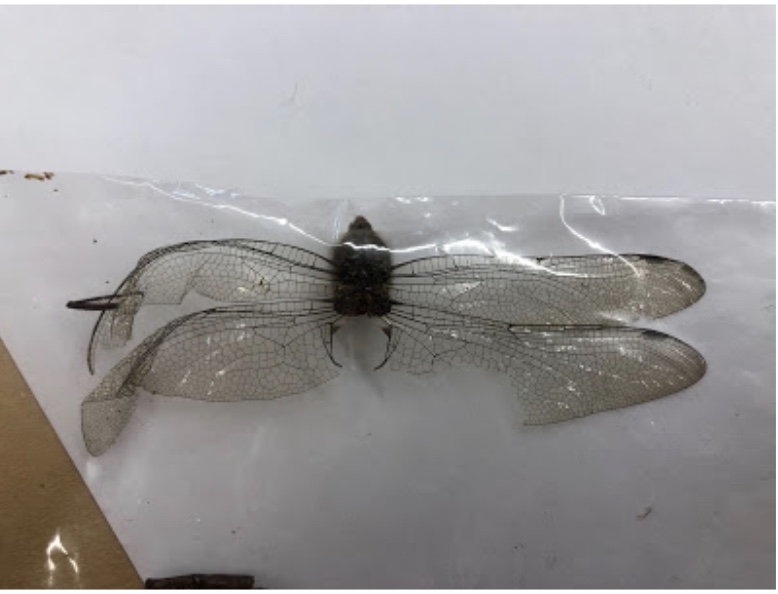
There are some insects and small animals that are less common for us to see while we are outside, but children will still want to know about them.  

Activity: Using stamps children can make insects


*Children will discover what each insect is which may require a bit of research*
Activity: Bring in parts of animals that were found in the woods and ask the children questions about them. For example, you could start with "What animal do you think this came from?" Allow them to observe the animal parts and think about how that animal lives.


Activity: Bring out small animal figures and ask children about these animals. Help the children research the animals if they have never seen them before. You could have them build a habitat for the animals and talk about what each of the animals might need to survive. 


Books: 
Image result for popular children's books about insects
Image result for Diary of a SpiderImage result for popular children's books about insects
Image result for children's books about small animalsRelated imageImage result for animals in the winter by henrietta bancroftImage result for popular children's books about small animals

Human Body

Learning About Our Bodies: 

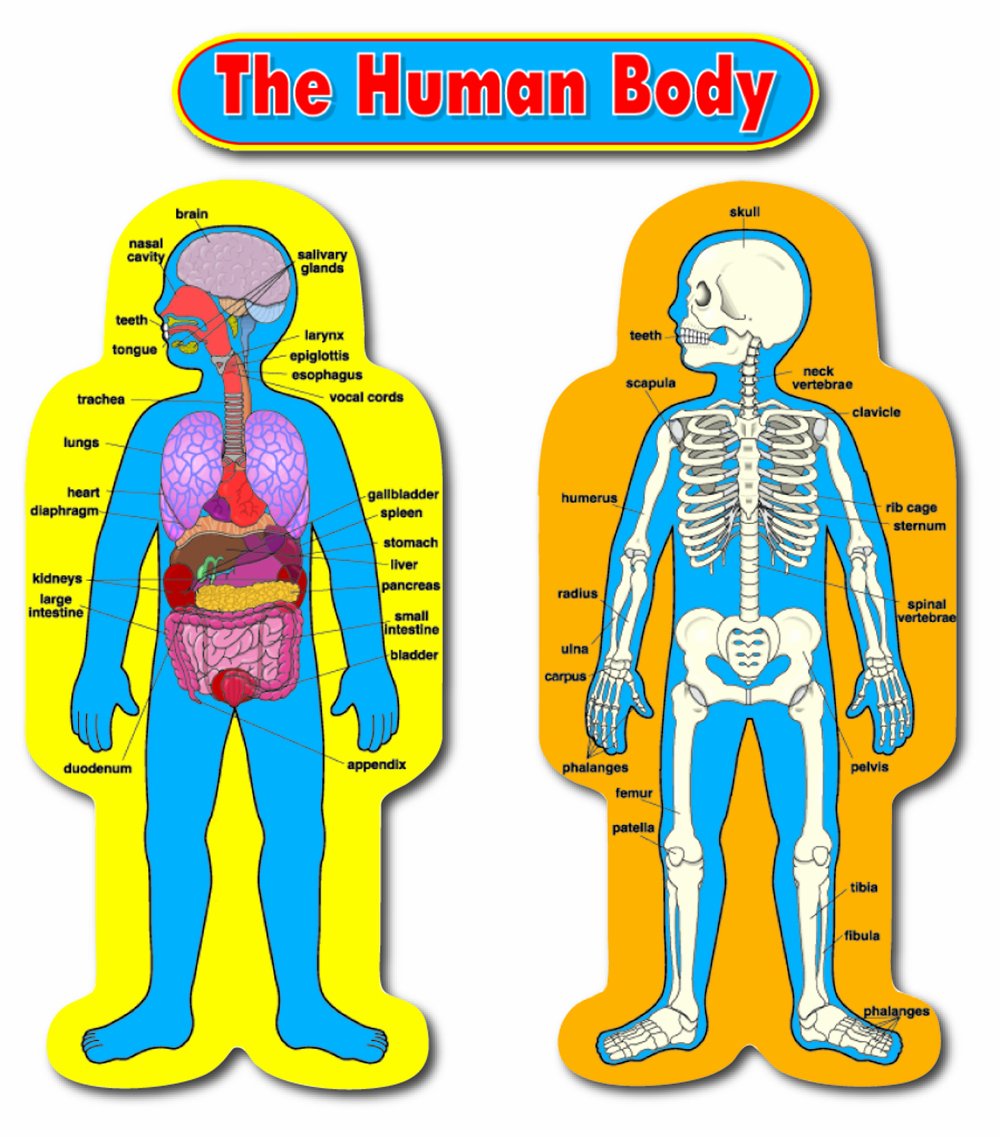
Image result for the human body children

Children at a young age very curious about themselves. They want to know about their body, what it does, and why it does these things.


Activities: 

Organ Apron: Children can explore where different organs are in their body.

*Have the children create their own body with a variety of  art materials-They could work in teams to trace each others bodies and put their organs inside their "body."

Grossology: Research weird bodily functions with the children as they love to learn about the gross things their bodies do. 
Ex: poop, pee, smelly feet, snot, eye gunk, 

They could present the infrormation that they learn in any way (PPT, Vlog, Activity, Poster, etc.) 

Here is a PPT slide with poop facts: 

This is fake snot that children would love to make:

This is a fun song about germs:

*You could do a lesson about germs/hand-washing after watching this video*


Books: 

Image result for magic school bus human bodyImage result for me and my amazing bodyImage result for why i sneeze shiver hiccup and yawn

Image result for sherm the germ

Books about Poop: 

Tuesday, February 12, 2019

Seeds & Plants:

Image result for Children holding seedsImage result for Children planting seeds


Learning about seeds is a great way for children to practice the scientific method. While exploring seeds, they will come up with questions. They can do research about seeds and plants based on their inquiries. Next, they can test their hypothesis by planting seeds and observing them overtime. After planting the seeds, they can draw conclusions about their original wondering and develop new ones based on their findings.  


Here is a link to a song about seeds: https://youtu.be/sK6SfpOIhAQ 


Activities:

Seed Sorting:

*This activity was done with beans, but any type of seeds can be used*


You will need:
A variety pack of seeds
Large Container
Several little Cups
Magnifying Glasses

Place all of the seeds in a large container and have the children sort the seeds. They can sort the seeds in many different ways. The children could also research what kind of beans they might be and attempt to find what each bean is.
Ask the children what they think would happen if they planted these beans


Lima Bean Experiment-

You will need:
Lima Beans (enough for each child to have several)
Sharpie Markers
Cups (1 for each child)
Measuring tools
Magnifying Glasses
Tweezers
Water

The children will use any technique they want to label the lima beans (different colors, numbers, names, etc.). Then they will measure each beans and write down their observations. When they are done, they will place their beans in their cup and cover them with water.

Let the beans sit for several days. Children can frequently return to the cups to observe any noticeable changes and write them down. After about three days, the children will take the beans out and observe the beans again. They can write down their observations and measure the beans again. This is when the children can use tweezer to dissect the bean and have a discussion about what they find. 


Tip: It might also be helpful to provide dry lima beans at this part of the lesson so children can see and feel the difference rather than simply using their memory.


Books: 

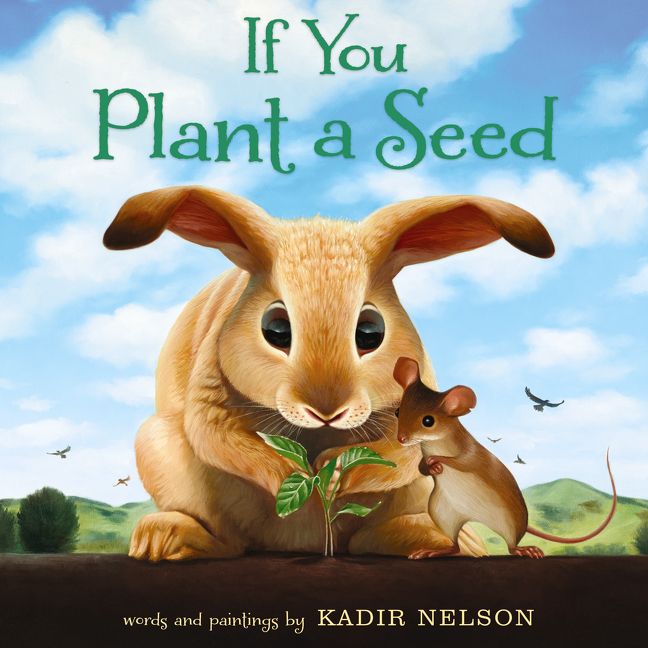
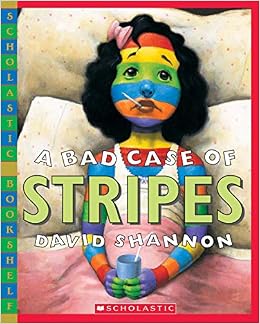
Image result for If you plant a seedImage result for Bad case of the stripes
Image result for bean thirteen
*This book would be a great introduction to a math lesson using seeds!
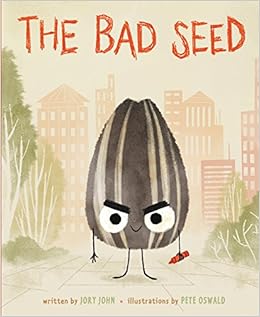
Image result for bad seed book
Image result for seed books for children From Seed to Plant


Friday, February 8, 2019

Nature Connections: January


 Image result for January

In this blog, I will share with you some fun things for children to do in nature during the month of January.

Activities (From the Nature Connections Book): 

*List of Manmade vs. Natural Materials: Look out the window and make a list of the things that are natural and things that are manmade. Have a discussion about what you find.

Here is my list: 


*Picture of the Month: At the beginning of the month go outside and take a picture of anything that interests you. 


This is the picture that I took. I was trying to zoom in on my camera to figure out what type of birds were in this tree and how many there were. I thought they were cardinals, but I found out that they were not. 

Variation: Have children take a picture of each month of the school year and make a photo book with all of their pictures. They could write about the things that they like or dislike during each of the months. 

Variation: When using my camera to zoom, I realized that it might be helpful to have binoculars that children could use when exploring outside to get a closer look at different things in nature. They could draw what they find in their nature journals

Book - What Will the Weather Be Like Today? by Paul Rogers


*Nature's Little Houseguests: 
Although most animals are found outside, sometimes they can be found in other places. Sometimes animals can be in our homes, even if we don't know they are there.

Have you ever found a hole in your box of cereal or other snacks.

How did it get there?

Maybe it was from a: 

Image result for mouse
Mouse!


Have you ever found a web in the corner of your home? 

It was probably from a: 

Image result for spider

Spider!

Here is my drawing of my houseguest:


More Books!
The Story of Snow: The Science of Winter's Wonder by [Cassino, Mark]
Animals in Winter (Let's-Read-and-Find-Out Science)
National Geographic Readers: Squeak!: 100 Fun Facts About Hamsters, Mice, Guinea Pigs, and MoreNational Geographic Readers: Spiders


Sunday, February 3, 2019

Giant Squid


Giant Squid!! 


Image result for Giant Squid

We recently learned how long a blue whale is, 
but how long is a giant squid?


Here is a Comparison: 

Image result for Giant Squid size

Giant squids have been a mystery for a long time. We know they exist because they have been found, however they have never been caught on film until now. 

Here is the video about how they caught one on camera for the very first time: 

Activities: 

Making a Giant Squid: 

I used: 
4 large pieces of poster paper
Hot glue gun and glue sticks
Tissue Paper
Googly Eyes
Glow in the dark glue 
Bubble Wrap 
Scissors
Stapler and Staples

You might also use: 
Different color paints
Eggs Cartons 
Fancy Scissors 
Newspaper

Instructions: 
1.) I cut two pieces of paper to make the shape of the head and glues all of the edges (except for the bottom) together
2.) Put pieces of tissue paper or newspaper into the opening at the bottom of the head 
3.) Using the remaining poster paper, cut out 12 even strips (the long way)-these will be the arm
4.) Combine two of the shorter strips to make a long strip (do this twice)-these will be the tentacles 
*You should have 8 arms and two tentacles
5.) Glue or stable the legs and tentacles to the opening at the bottom of the squid body
6.) Glue or stable the opening closed 
7.) Glue bubble wrap to the arms and tentacles
8.) Glue the eyes on
*I decorated my squid with glow in the dark glitter glue when I was finished, however it might be easier to have children paint/decorate their papers and let them dry before putting the squid together*


Here is my giant squid: 

Other Activities: 
*Show children a picture of a squid and ask them to tell you something about it, ask them what they think the tentacles or arms are for, etc. (Have a conversation to get them thinking and discover what else they might want to know)
Squid vs. Octopus: Show the children pictures of both and see if they can discover what is similar or different about them
Build a squid: http://squid.tepapa.govt.nz/build-a-squid/interactive
*This site has a lot of information about squids and also allows you to make a squid and track it


Books: 
IMG_0151-1Image result for how the squid got two long arms

Image result for children's Squid books nonfictionImage result for Giant squid Book
Image result for childrens Squid books

What's In My Lunch Box

What's in My Lunch Box  When planning a lesson, the first thing you think of is probably not lunch time. However, children can...