All About Me

All About Me

Monday, February 18, 2019

Nature Connections: February

Image result for February


This is my photo of the month-The snow was almost covering my car! It was a lot of work to dig it out.


Children can keep their February photo with their January photo and eventually use them to make a monthly photo book. (Explained in the January blog) 

Activity: How do animals stay warm in the winter: 

First you can ask children to brainstorm how humans stay warm in the winter and how animals stay warm in the winter. Write down the list.

Here is my list:
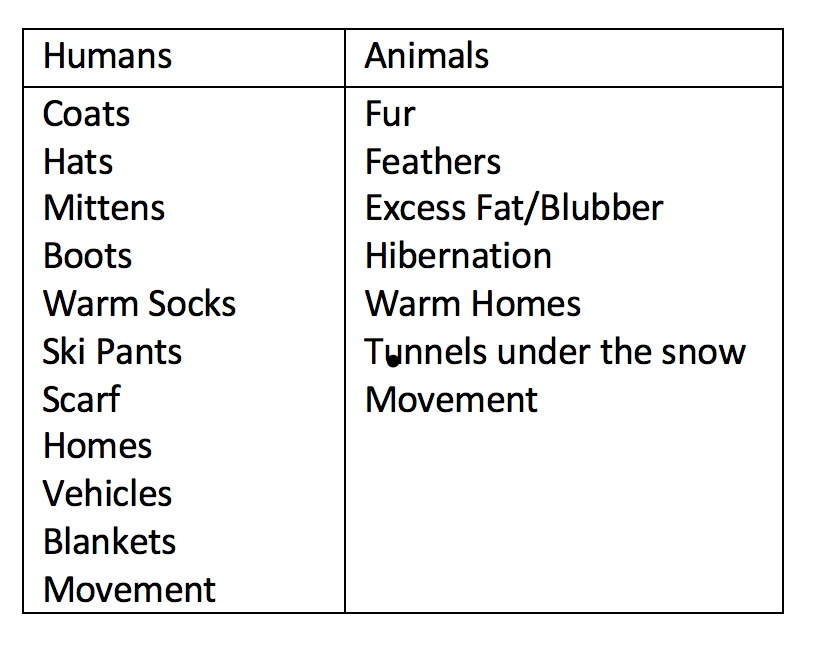


You can then do various lessons representing how animals stay warm.

The blubber experiment (Explained in the Blue Whale Blog) is on example


Another example uses a glove to represent hair and plastic wrap under the glove to represent excess fat.


Activity: Shadows

Children will love looking at shadows during this time of year.

One activity that they would have a lot of fun with is creating a shadow with different materials. For examples if you made different shapes with cardboard boxes, it would create a very interesting shadow. They could take a picture of their shadow or make a video of themselves and their shadow. They could also use an app like My Story to create a story about their shadow.
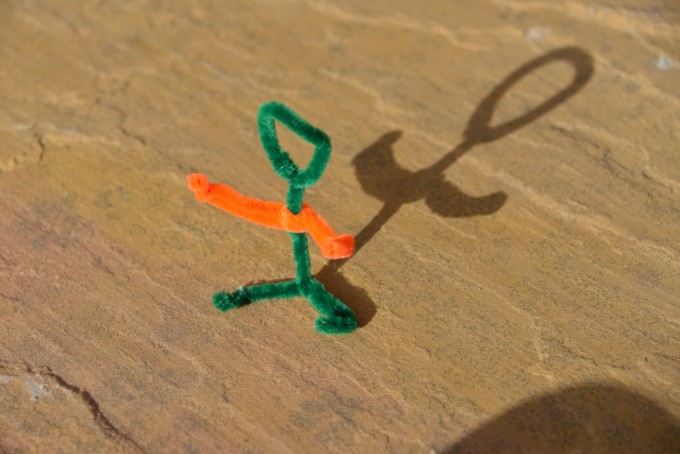
Image result for creating shadow sculptures with children


Shadow Song: https://www.youtube.com/watch?v=9ne6J0aXvfs

The children could write a poem about their shadow or their shadow sculptures

Here is my shadow poem: 

My Shadow
My shadow is so silly
She always copies me
When I run, she runs,
We both sit under the tree
Sometimes she is hiding, 
Nowhere to be seen
But when she comes back out, 
She's as funny as can be. 

Books: 
Image result for a warm winter tailImage result for the mitten Image result for under the snowImage result for childrens books about shadowsImage result for who will see their shadow this year

Sunday, February 17, 2019

Gorssology


Children can research a gross bodily function and share the information that they learn with the class. The children can present what they learned with a PPT, a video blog, a book, a poster, or any other way that they can think of. 

Friday, February 15, 2019

Insects and Small Animals


Learning About Insects and Small Animals:

Image result for insects
Children will see some insects and small animals every time they go outside. They will ask a lot of questions about them and it is very important to help them find the answers. 

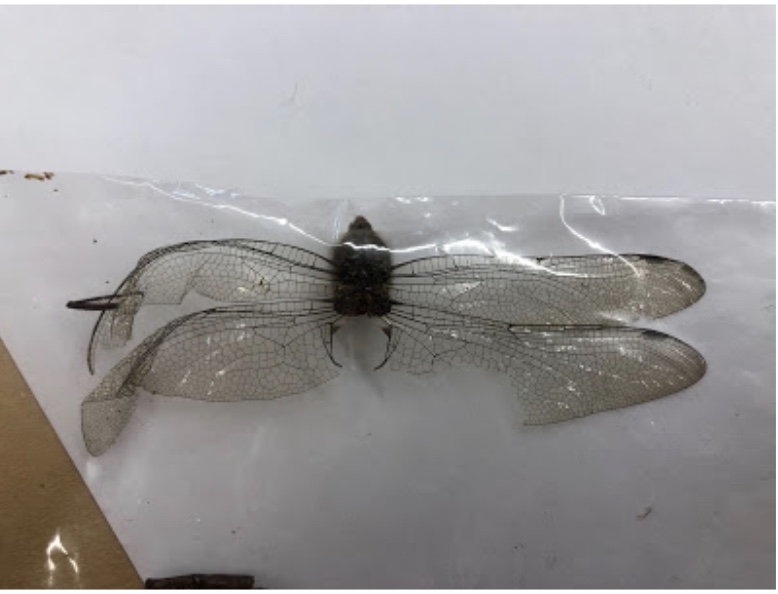
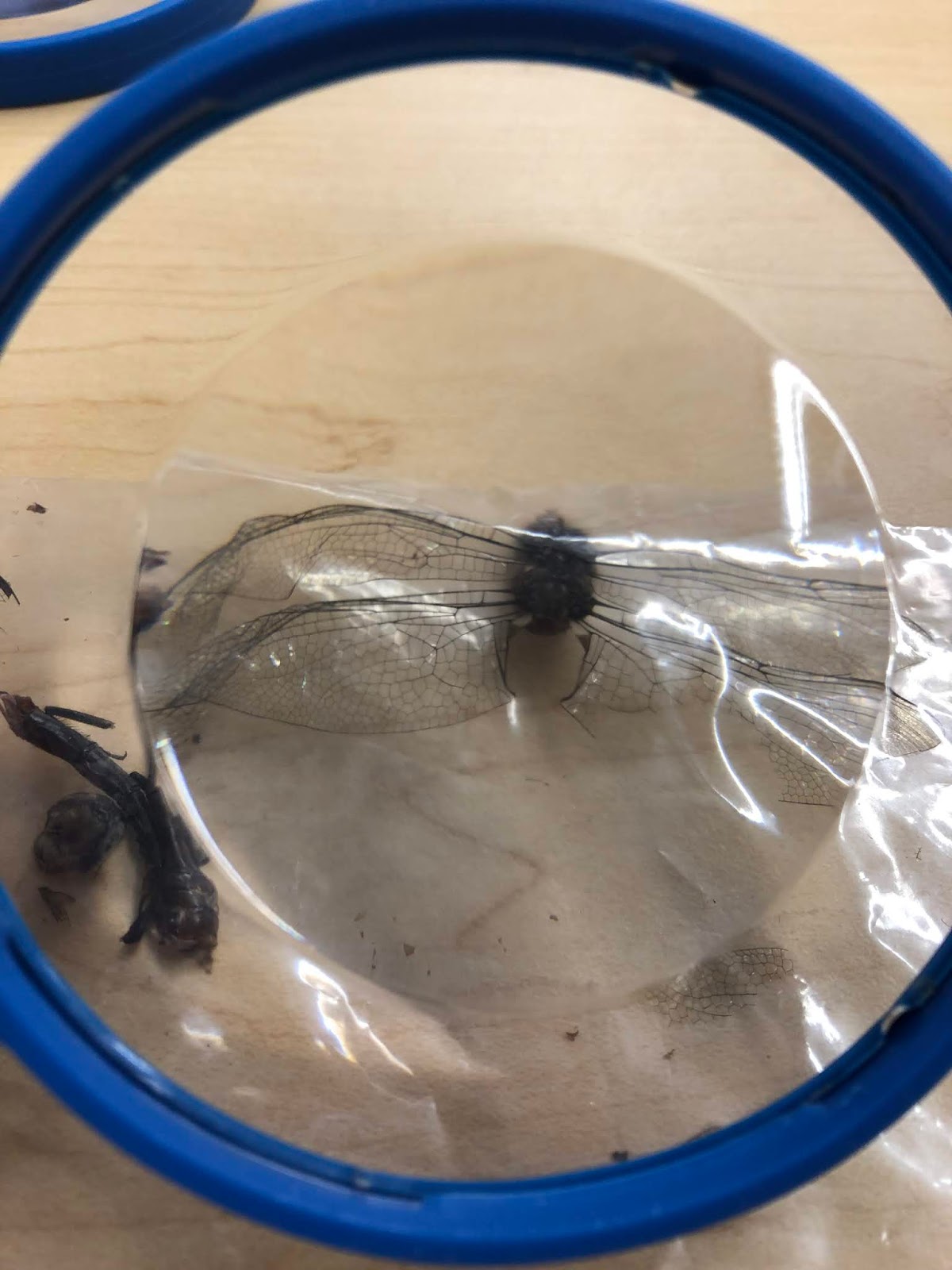
Activity: Bring in dead insects and let children explore them with magnifying glasses. Give them time to draw and write about their finding and the opportunity to share their findings.


There are some insects and small animals that are less common for us to see while we are outside, but children will still want to know about them.  

Activity: Using stamps children can make insects


*Children will discover what each insect is which may require a bit of research*
Activity: Bring in parts of animals that were found in the woods and ask the children questions about them. For example, you could start with "What animal do you think this came from?" Allow them to observe the animal parts and think about how that animal lives.


Activity: Bring out small animal figures and ask children about these animals. Help the children research the animals if they have never seen them before. You could have them build a habitat for the animals and talk about what each of the animals might need to survive. 


Books: 
Image result for popular children's books about insects
Image result for Diary of a SpiderImage result for popular children's books about insects
Image result for children's books about small animalsRelated imageImage result for animals in the winter by henrietta bancroftImage result for popular children's books about small animals

Human Body

Learning About Our Bodies: 

Image result for the human body children

Children at a young age very curious about themselves. They want to know about their body, what it does, and why it does these things.


Activities: 

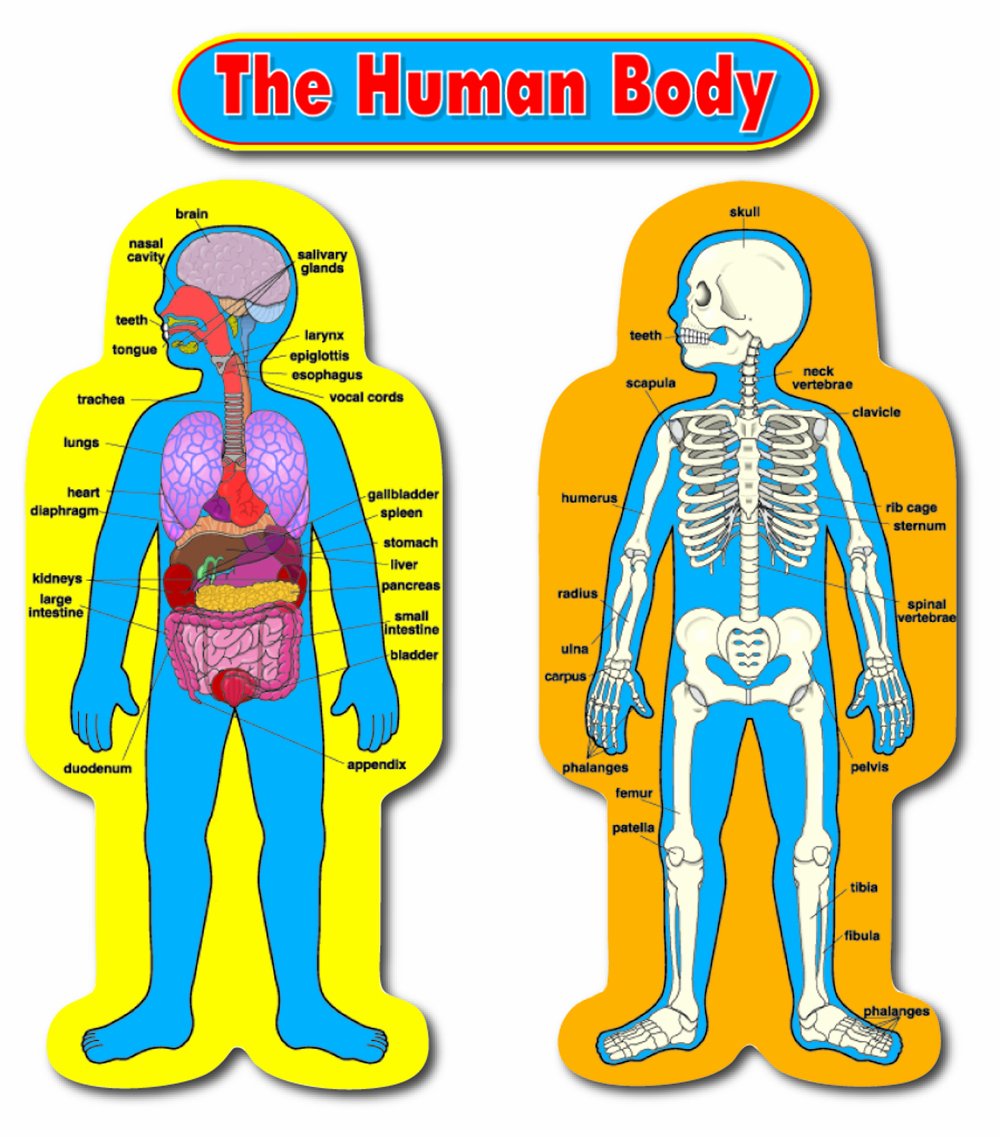
Organ Apron: Children can explore where different organs are in their body.

*Have the children create their own body with a variety of  art materials-They could work in teams to trace each others bodies and put their organs inside their "body."

Grossology: Research weird bodily functions with the children as they love to learn about the gross things their bodies do. 
Ex: poop, pee, smelly feet, snot, eye gunk, 

They could present the infrormation that they learn in any way (PPT, Vlog, Activity, Poster, etc.) 
Here is a PPT slide with poop facts: 

This is fake snot that children would love to make:

This is a fun song about germs:

*You could do a lesson about germs/hand-washing after watching this video*


Books: 

Image result for magic school bus human bodyImage result for me and my amazing bodyImage result for why i sneeze shiver hiccup and yawn

Image result for sherm the germ

Books about Poop: 

Tuesday, February 12, 2019

Seeds & Plants:

Image result for Children holding seedsImage result for Children planting seeds


Learning about seeds is a great way for children to practice the scientific method. While exploring seeds, they will come up with questions. They can do research about seeds and plants based on their inquiries. Next, they can test their hypothesis by planting seeds and observing them overtime. After planting the seeds, they can draw conclusions about their original wondering and develop new ones based on their findings.  


Here is a link to a song about seeds: https://youtu.be/sK6SfpOIhAQ 


Activities:

Seed Sorting:

*This activity was done with beans, but any type of seeds can be used*


You will need:
A variety pack of seeds
Large Container
Several little Cups
Magnifying Glasses

Place all of the seeds in a large container and have the children sort the seeds. They can sort the seeds in many different ways. The children could also research what kind of beans they might be and attempt to find what each bean is.
Ask the children what they think would happen if they planted these beans


Lima Bean Experiment-

You will need:
Lima Beans (enough for each child to have several)
Sharpie Markers
Cups (1 for each child)
Measuring tools
Magnifying Glasses
Tweezers
Water

The children will use any technique they want to label the lima beans (different colors, numbers, names, etc.). Then they will measure each beans and write down their observations. When they are done, they will place their beans in their cup and cover them with water.

Let the beans sit for several days. Children can frequently return to the cups to observe any noticeable changes and write them down. After about three days, the children will take the beans out and observe the beans again. They can write down their observations and measure the beans again. This is when the children can use tweezer to dissect the bean and have a discussion about what they find. 


Tip: It might also be helpful to provide dry lima beans at this part of the lesson so children can see and feel the difference rather than simply using their memory.


Books: 

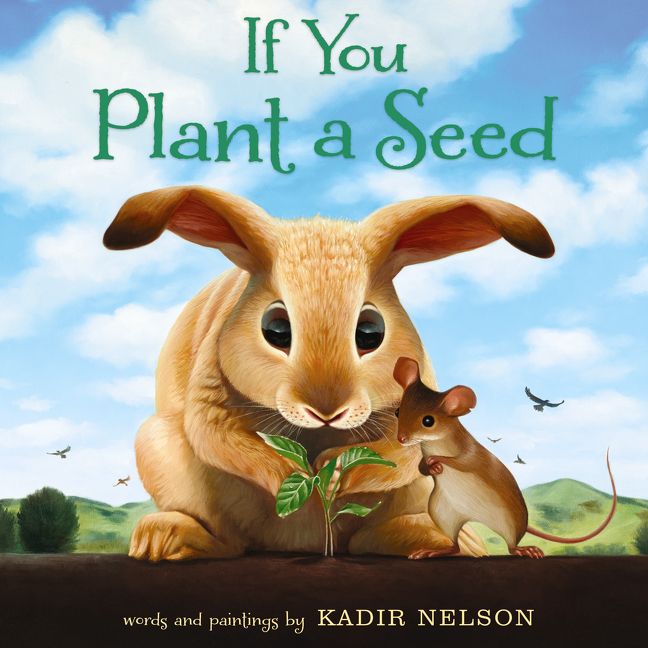
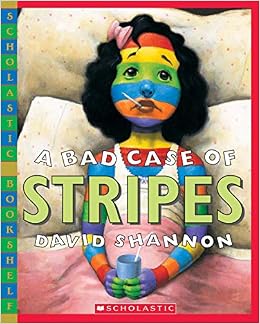
Image result for If you plant a seedImage result for Bad case of the stripes
Image result for bean thirteen
*This book would be a great introduction to a math lesson using seeds!
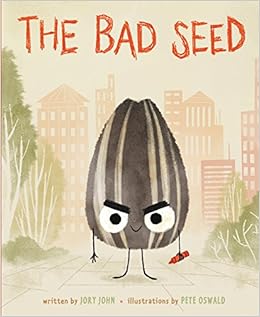
Image result for bad seed book
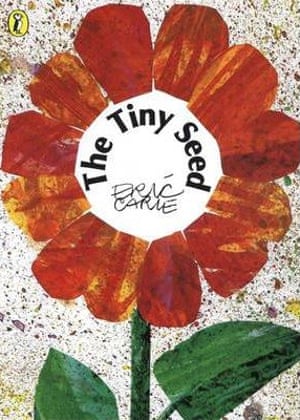
Image result for seed books for children From Seed to Plant


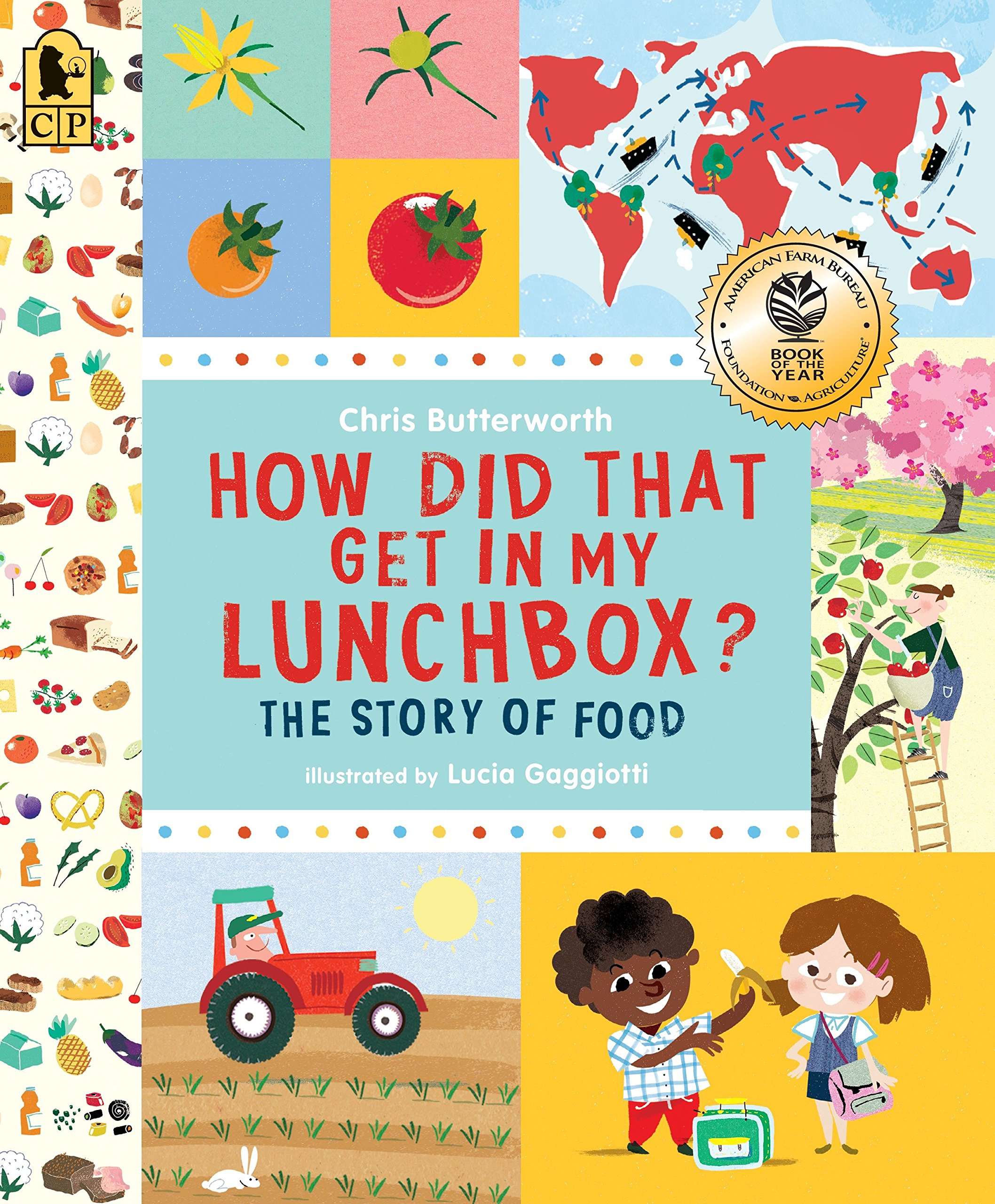
What's In My Lunch Box

What's in My Lunch Box  When planning a lesson, the first thing you think of is probably not lunch time. However, children can...